Ceramic tiles are characterized by their regular shapes, high wear resistance, and strong load-bearing capacity; however, even minor defects—such as hairline cracks or chipped corners—can render them unusable. To ensure plastic corner protectors effectively safeguard these tiles, it is essential to analyze the mechanisms behind damage caused by mechanical stress. Since most damage occurs during transportation, loading, and unloading, the design of these corner protectors must account for the following factors:
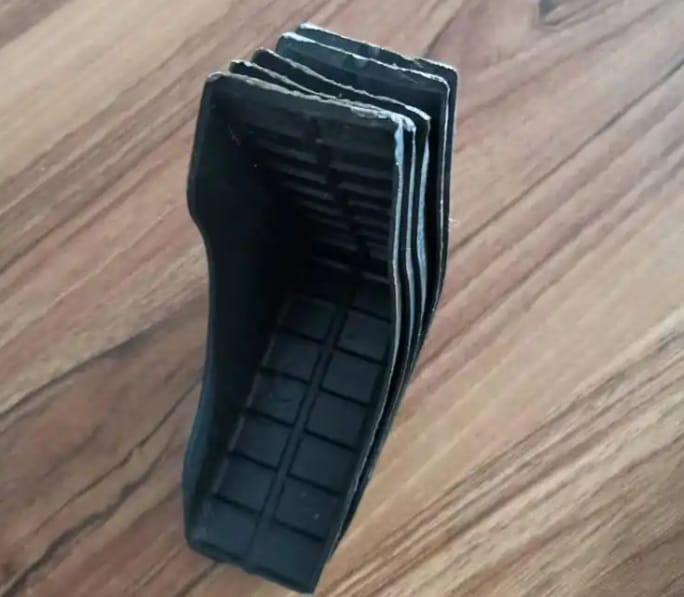
1. Brittle fracture caused by drops or horizontal impacts. While ceramic tiles are hard, they are inherently brittle; intense impact causes even slight deformation to trigger crack nucleation and propagation. If the impact force exceeds the tile’s fracture strength, brittle failure, corner chipping, or glaze spalling occurs.
2. Fatigue damage caused by vibration. During distribution, prolonged exposure to alternating stresses from vibration can lead to fatigue failure once the endurance limit is exceeded, causing the propagation of micro-cracks on the tile surface.
3. Compromised strength and stability due to uneven loading. During stacked storage, uneven pressure or crushing deformation of the cushioning packaging can damage the corner protectors themselves.
4. Reduced cushioning performance and structural strength due to significant ambient temperature fluctuations during transport.
By analyzing the causes of damage to ceramic tiles, we can identify the key environmental factors to address during the design and testing of plastic corner protectors. Since vibration and impact are the most common causes of damage, the design process focuses specifically on mitigating the effects of these forces on the tiles.