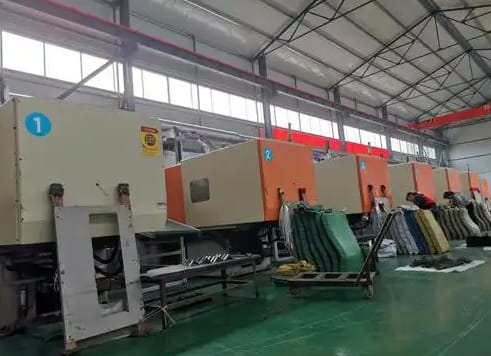
Tile corner guards are designed for the protruding corners formed where tiles meet during decoration, enhancing the wall’s aesthetic appeal. What conditions must be met during their manufacturing? 1. Clamping force: In principle, the force used to keep the mold closed must exceed the total pressure of the plastic being…
Blog
Read more
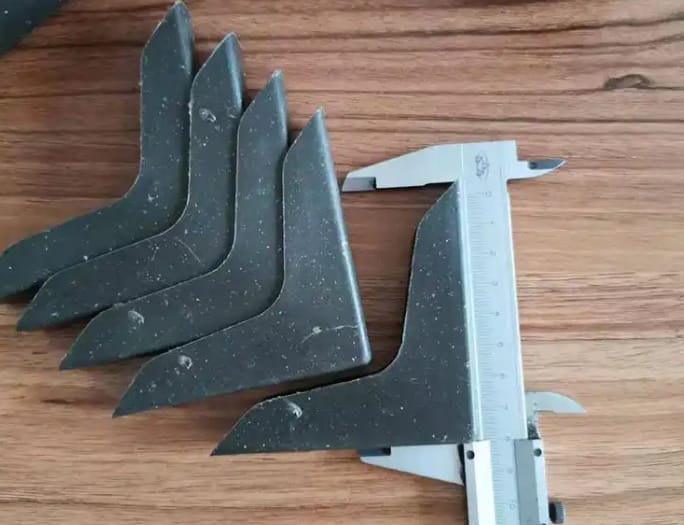
Ceramic tile corner protectors play an important role in the transportation of ceramic tiles
Tile edge protectors are packaging materials designed to safeguard the edges and corners of tiles, effectively minimizing damage caused by impacts during transport. In addition, the following protective measures should be implemented during the transportation of tiles: 1. During transport and storage, tiles should be stacked flat in pairs with…
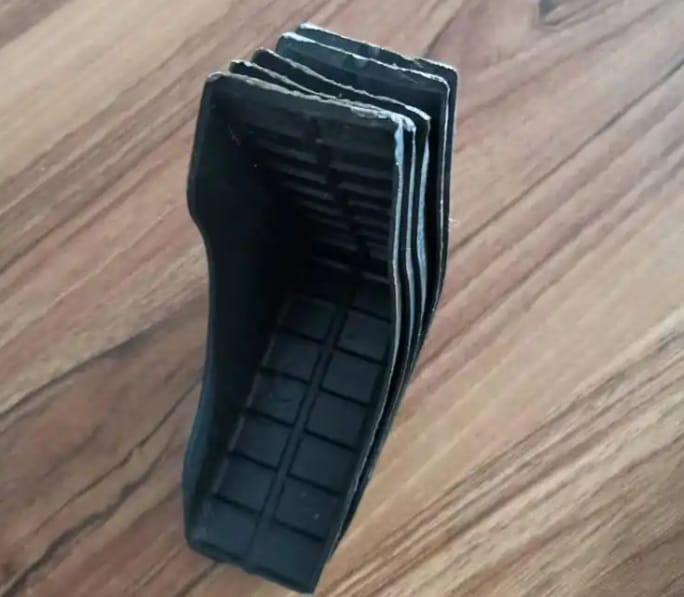
Reasons for soaking ceramic tile corner protectors before use
To ensure the quality and effectiveness of the bond—and to prevent issues such as hollow spots or a loss of adhesion between the cement and the tile—ceramic tile corner guards are typically soaked in water before installation. Let us examine the reasons for this practice: 1. Ceramic tile corner guards…
Blog
Read more
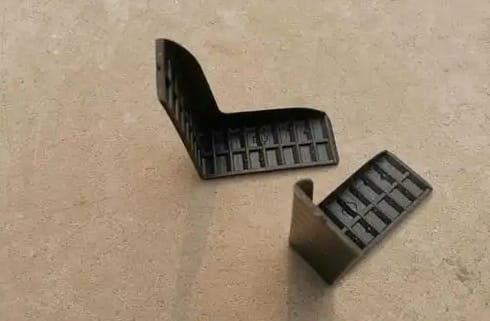
What are the reasons for damaged tile corner protectors?
Ceramic tiles are characterized by their regular shapes, high wear resistance, and strong load-bearing capacity; however, even minor defects—such as hairline cracks or chipped corners—can render them unusable. To ensure plastic corner protectors effectively safeguard these tiles, it is essential to analyze the mechanisms behind damage caused by mechanical stress….
Blog
Read more
What are the materials for tile corner protectors?
PVC plastic corner guards were developed to address the tendency of metal corner guards to rust. A new type of plastic corner guard for tiles has recently emerged that effectively solves this issue; while not as structurally rigid as traditional metal versions, this material offers great convenience during installation. These…
Blog
Read more
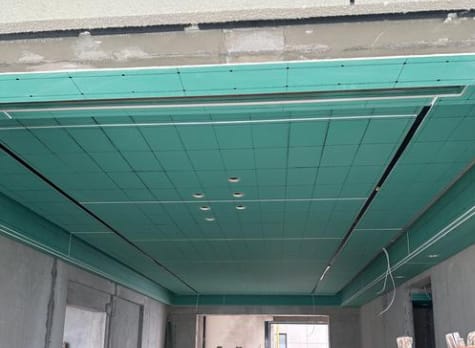
Does mesh need to be applied to the gypsum board on the suspended ceiling?
Installing mesh on ceiling drywall is not always necessary. 1. Purpose and necessity of installing mesh The primary purpose of installing mesh on ceiling drywall is to enhance the bond between the drywall and the wooden framework (joists), thereby preventing safety issues such as cracking or detachment. Mesh improves the…
Blog
Read more
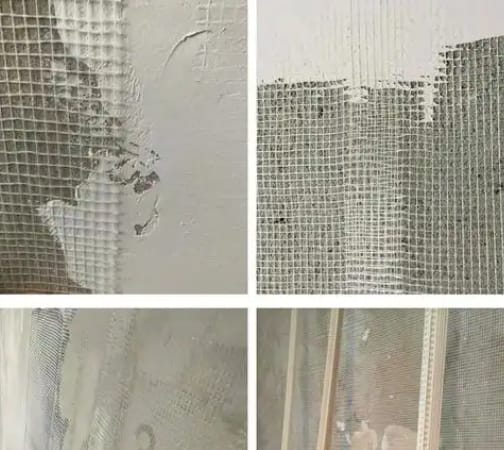
Top 10 Taboos When Installing Mesh for Lightweight Gypsum Plaster
Key Points for Light‑Weight Gypsum Plaster with Mesh Reinforcement 1. Application in humid environments Prohibition: Light‑weight gypsum is not suitable for humid areas such as bathrooms and kitchens. It tends to absorb moisture, deform and even get moldy, impairing the bonding performance between gypsum and mesh fabric. 2. Improper base…
Blog
Read more
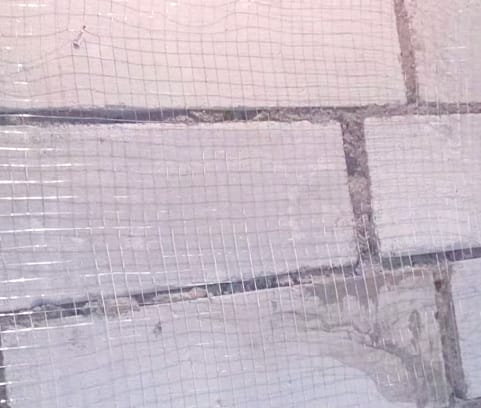
How is mesh installed for gypsum plastering?
The process of installing mesh reinforcement for gypsum plastering involves substrate preparation, mesh installation, gypsum application, and finishing work. First, preparing the substrate is a crucial step prior to installing the mesh. Impurities, dust, oil stains, and loose materials must be thoroughly removed from the wall surface to ensure it…
Blog
Read more
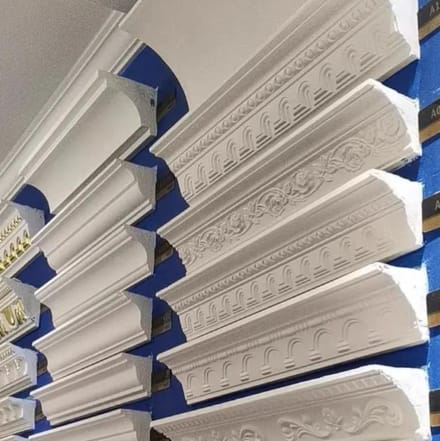
The difference between double net and single net gypsum lines
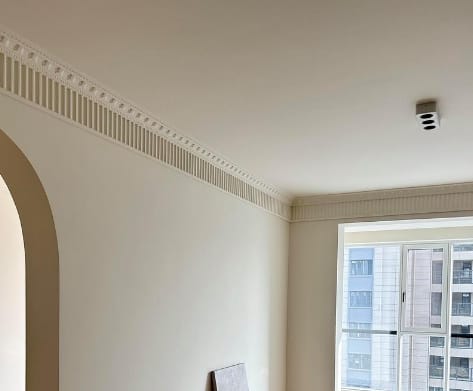
1. What is a gypsum molding? Gypsum molding is a material used for wall detailing in interior decoration; it enhances the wall’s appearance while also serving a finishing function at the edges. 2. Definitions: Double-mesh vs. Single-mesh “Double-mesh” gypsum molding refers to a product where the base and the molding…
Blog
Read more
Should mesh be applied to the joints of plaster moldings?
It is recommended to apply mesh reinforcement at the joints of gypsum moldings to enhance adhesion and ensure an aesthetically pleasing finish; this practice also improves installation efficiency. I. Why apply mesh at gypsum molding joints? During the installation of gypsum moldings, issues such as cracking or loosening often occur…