It is recommended to apply mesh reinforcement at the joints of gypsum moldings to enhance adhesion and ensure an aesthetically pleasing finish; this practice also improves installation efficiency.
I. Why apply mesh at gypsum molding joints?
During the installation of gypsum moldings, issues such as cracking or loosening often occur at the joints due to factors like uneven wall surfaces or inconsistent angles, which detracts from the visual appeal. Applying mesh strengthens the bond between the molding and the wall, effectively preventing cracking and loosening. Additionally, it boosts installation efficiency and reduces the need for subsequent repairs.
II. What is the best way to apply the mesh?
1. Select the appropriate mesh: Choose a mesh specifically suited for gypsum moldings—such as gauze, fiberglass mesh, or alkali-resistant fiberglass mesh—to ensure compatibility with the molding itself.
2. Adhere the mesh: First, thoroughly clean the joint area. Then, use an appropriate amount of adhesive (such as metal corner bead adhesive) to bond the mesh over the joint, ensuring it extends fully onto the adjacent wall surface.
3. Sand the mesh area: Sand the mesh and the molding surface to achieve a smooth finish before proceeding with decorative work.
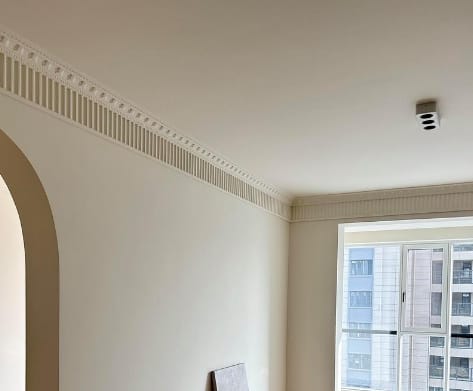
To ensure both the aesthetic quality and structural integrity of gypsum moldings, applying mesh at the joints during installation is highly recommended. Properly installed and bonded moldings are not only visually appealing and versatile but also offer excellent strength and stability, making them suitable for a wide range of interior design styles and practical applications.